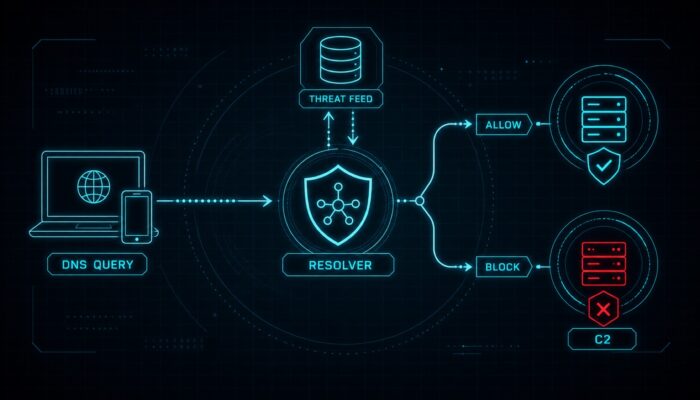
Protective DNS: the layer that many overlook
Almost every attack begins with a DNS request. How Protective DNS blocks malware and phishing early, and why DNS over HTTPS fills the gap.
What are you looking for?

Alec is Chief Digital Officer at Evernine and writes about cloud architectures, IT security and digital operations practice.
Almost every attack begins with a DNS request. How Protective DNS blocks malware and phishing early, and why DNS over HTTPS fills the gap.
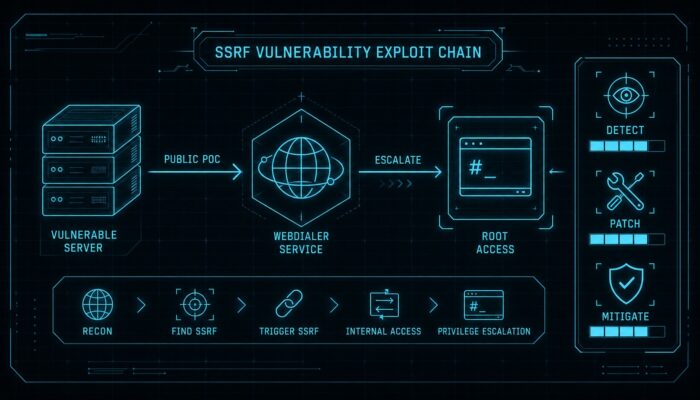
Exploit code is circulating for the critical SSRF vulnerability in Cisco Unified Communications.
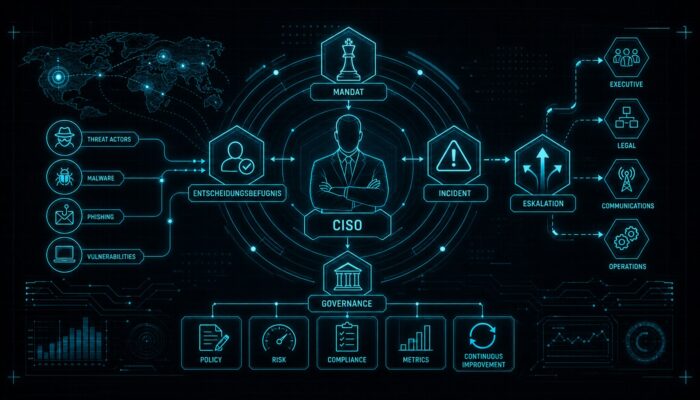
CISO Mandate 2026: Which decision-making, veto, and escalation rights must be documented in writing so that it's clear who can act during an incident.
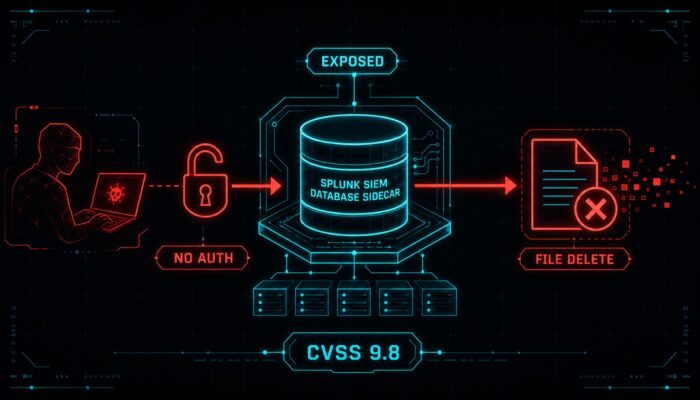
A critical Splunk vulnerability allows attacks without login. CISA warns of active exploitation. What DACH-CISOs need to patch and check now.

Supply chain risks according to NIS2 and DORA: Why the vendor questionnaire isn't enough and how a TPRM program with tiering, a register, and …

Service accounts can survive disabled services for years. This is why OWASP considers it the number one NHI risk and how CISOs can identify …

Cloud security: CrowdStrike expands Project QuiltWorks with AWS. What the alliance against AI-driven attacks accomplishes and what teams must do…

The NIS2 oversight has begun: the BSI registration deadline has passed, and the authority is now reviewing and imposing sanctions.
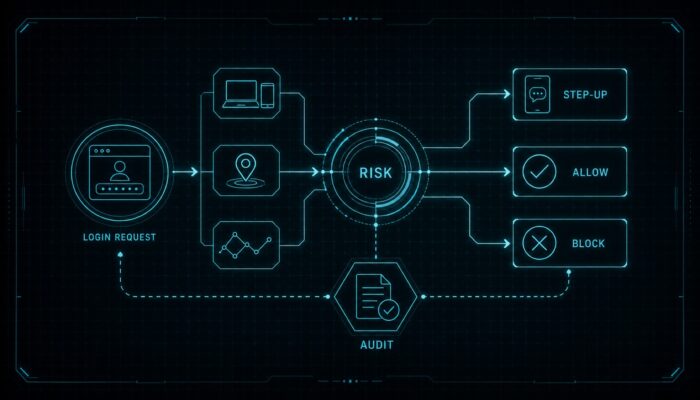
Adaptive MFA passes a NIS2 audit only with a documented, exportable, and justified policy, as demonstrated by Entra ID, Okta, and Duo implementations.

Supply-Chain Attack on Arch Linux: Over 400 AUR packages smuggled in information stealers and rootkits.
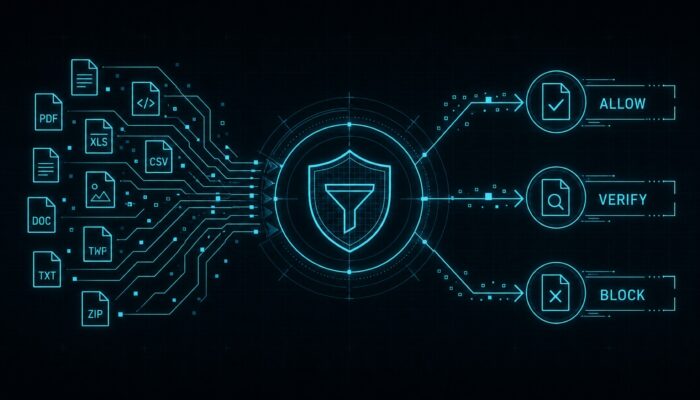
Microsoft 365 Copilot inherits every permission gap and makes oversharing visible.
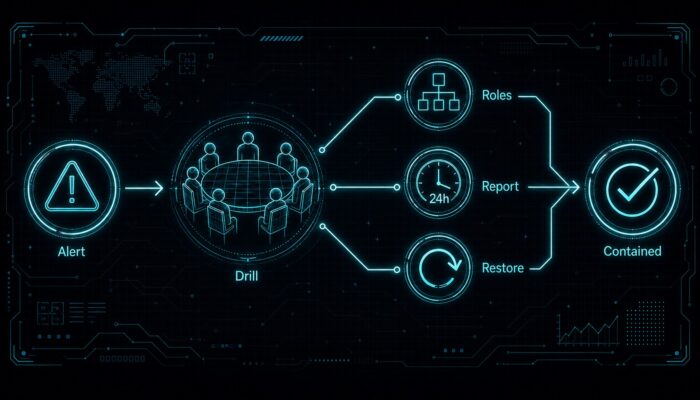
Almost everyone has an incident response plan, but hardly anyone practices it. According to IBM, tested plans reduce breach costs by 58%.
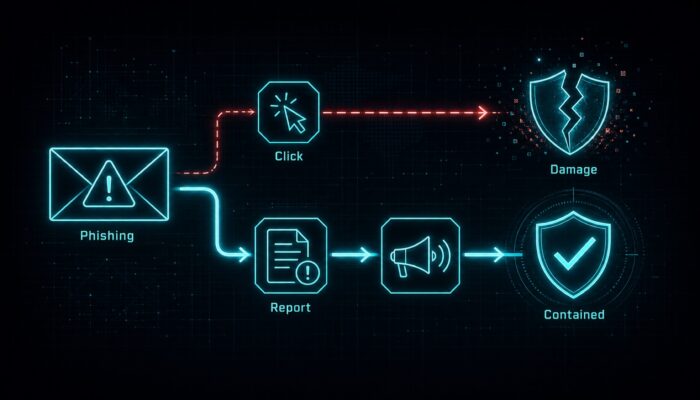
Phishing click rates remain at 1.5%. Why the reporting rate is a better KPI, and Passkeys offer more than continuous training.

API security is the blind spot in medium-sized businesses. Behind every app and integration, APIs are often less well-protected than the visible frontend.

Passkeys in SMEs: how passwordless login neutralizes phishing, what the rollout via Entra ID costs, and where the recovery pitfalls lie.

Ransomware targets backups. Why the old 3-2-1-1-0 rule is being replaced, what immutability and air-gap mean, and why the restore test is decisive.
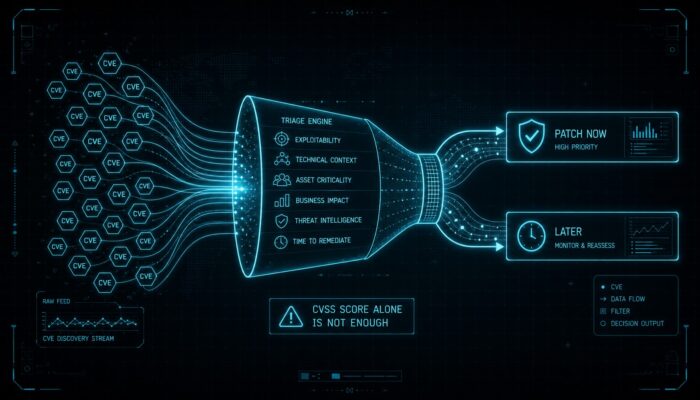
How CVSS alone misleads your SOC: With EPSS and the KEV catalog, you prioritize patches based on exploitability rather than severity.

NIS2 elevates Coordinated Vulnerability Disclosure from voluntary practice to mandatory reporting.

An attacker pushed 14 malicious npm packages to the registry within four hours and stole CI/CD secrets. Why static scanning is too slow and …

The BSI has updated its warning about Linux kernel vulnerabilities: Dirty Frag (CVSS 7.8) enables local privilege escalation to root.

NIS2 is now in enforcement: first sanctions issued, BSI conducting audits, and executives face personal liability up to €10 million.


