Colonial Pipeline: What German Companies Must Learn from the Largest Ransomware Attack
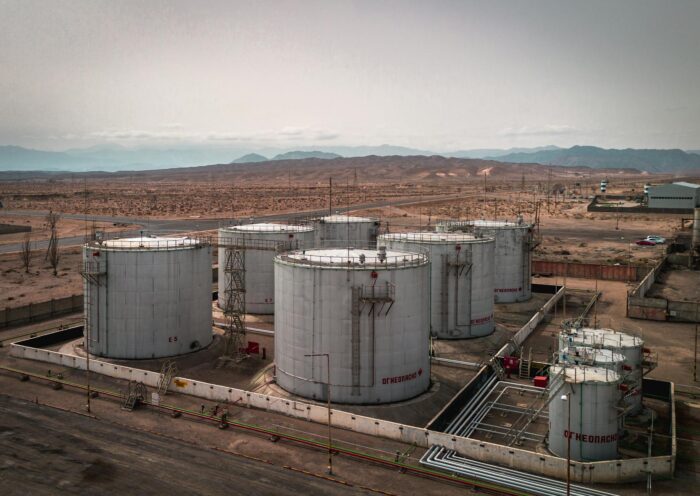
The May 2021 ransomware attack on Colonial Pipeline paralyzed the largest fuel pipeline in the United States and forced the company to pay $4.4 million in ransom. The incident serves as a blueprint for risks that directly threaten German critical infrastructure (KRITIS) operators.
TL;DR
- Attack vector: A compromised VPN password without multi-factor authentication (MFA) granted attackers access to the corporate network.
- Impact: Six days of operational shutdown, fuel shortages across the entire U.S. East Coast, $4.4 million ransom paid.
- Attacker group: DarkSide – a Russian-speaking ransomware-as-a-service (RaaS) operation using an affiliate model.
- Core lesson: IT/OT segmentation was so inadequate that an attack on IT systems completely halted operational technology (OT) operations.
- Relevance for Germany: The IT Security Act 2.0 expands KRITIS obligations – but many operators lag significantly behind in implementation.
What Happened at Colonial Pipeline
On 7 May 2021, attackers from the DarkSide group gained access to Colonial Pipeline’s IT network via an inactive VPN account. That account lacked multi-factor authentication – a fundamental security failure no organization should tolerate.
Within hours, the attackers exfiltrated 100 gigabytes of data and encrypted critical IT systems. Colonial Pipeline chose to shut down its entire pipeline – 8,850 kilometers long and responsible for 45% of fuel supply along the U.S. East Coast – not because OT systems were directly compromised, but because the company could not rule out attacker access to operational technology.
This decision exposed the real problem: the boundary between IT and OT was so poorly defined that an attack on business systems brought physical operations to a standstill.
Why This Case Matters for German Companies
Germany operates critical infrastructures exposed to identical vulnerabilities. The IT Security Act 2.0, which entered into force in May 2021, expands the scope of KRITIS operators and tightens cybersecurity requirements – including the mandatory deployment of intrusion detection systems.
Yet implementation lags. A BSI (Federal Office for Information Security) survey reveals that a significant share of KRITIS operators have yet to fully implement the required intrusion detection systems. Shortages of both resources and skilled personnel are especially acute in energy, water, and transport sectors.
The Colonial Pipeline incident illustrates what happens when regulation and reality diverge. The question is not whether, but when, a comparable attack will strike German infrastructure.
Five Immediate Actions for KRITIS Operators
1. Enforce MFA everywhere. No VPN, no remote access, no administrative account may operate without multi-factor authentication. Colonial Pipeline would not have been breached had MFA been in place.
2. Audit IT/OT segmentation. Can an attacker who compromises IT systems also reach OT systems? If the answer is anything other than an unambiguous “no,” the network architecture must be overhauled.
3. Test your incident response plan. Don’t just document it – run it. Tabletop exercises under realistic conditions expose gaps invisible on paper.
4. Validate your backup strategy. Offline backups inaccessible from the network. Colonial Pipeline paid ransom because restoring from backups would have taken too long.
5. Assess supply chain risks. DarkSide operated as ransomware-as-a-service – the actual attackers were affiliates. Cybercrime’s business model scales rapidly, and companies must include their entire supply chain in risk assessments.
Key Facts at a Glance
Ransom paid: $4.4 million (of which $2.3 million was recovered by the FBI)
Downtime: Six days of complete operational shutdown
Infrastructure affected: 8,850 km pipeline supplying 45% of fuel to the U.S. East Coast
Attack vector: Compromised VPN password without MFA
Source: U.S. Department of Justice, 2021
Frequently Asked Questions
Every question is locked. A tap unlocks the answer.
Could this attack have been prevented?
Very likely, yes. Multi-factor authentication on the VPN connection would have blocked initial access. Even if attackers had breached the perimeter, strict IT/OT segmentation would have shielded pipeline operations.
Why did Colonial Pipeline pay the ransom?
According to CEO Joseph Blount, the decision was a calculated risk: the cost of continued downtime far exceeded the ransom amount. Restoring operations from backups would have taken days – or even weeks. Later, the FBI traced and seized $2.3 million via the Bitcoin blockchain.
What is ransomware-as-a-service?
A business model where ransomware developers license their software to affiliates, who carry out the actual attacks. Developers receive a share of the ransom. This dramatically lowers the barrier to entry for cybercriminals – and increases attack frequency.
Are German KRITIS operators better protected?
The IT Security Act 2.0 imposes stricter requirements than its predecessor – including mandatory intrusion detection. However, BSI situation reports show uneven implementation. Smaller KRITIS operators, in particular, still need to catch up on segmentation and incident response capabilities.
What should a company do if hit by ransomware?
Immediately activate the incident response plan, isolate affected systems, and notify both the BSI (Federal Office for Information Security) and law enforcement. Paying ransom is a business decision made under time pressure – but experts and authorities generally advise against it, as it funds the attackers’ business model.
Further Reading Online
Ransomware defense and prevention: www.securitytoday.de
Cybersecurity strategies for SMEs: www.digital-chiefs.de
IT security and cloud infrastructure: www.cloudmagazin.com
Header Image Source: Pexels / Tom Fisk