Software Supply Chain Security: A 2026 Guide

Software often depends on components and services from other providers. Vulnerabilities or manipulated packages can therefore also put customers’ systems at risk. Organisations need an overview of their dependencies and a process for handling security alerts. For essential and important entities, supply chain security measures are also among the obligations set out in Germany’s BSI Act.
Key takeaways
- Document dependencies. An up-to-date software bill of materials helps identify affected components when new vulnerabilities emerge.
- Protect build processes. Package checks, restricted access rights and protected credentials make manipulation more difficult.
- Consider supplier risks. The BSI Act requires affected entities to take appropriate and proportionate measures to secure their supply chains.
Where software supply chain risks arise
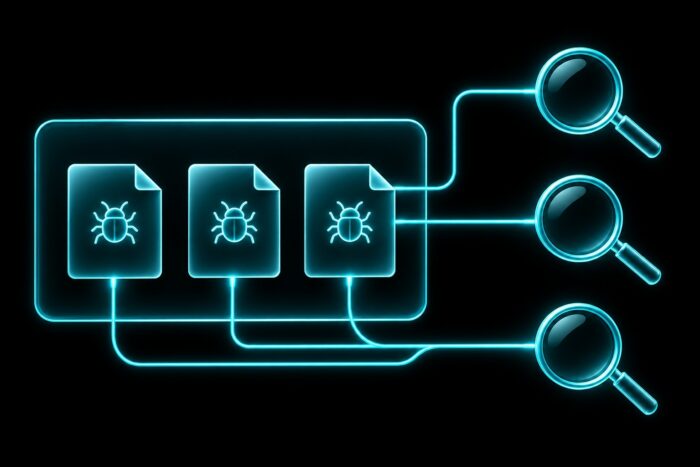
An application can contain proprietary components, open-source packages and software from external providers. Risks arise from known vulnerabilities, manipulated packages or compromised access to the development environment, for example. Indirect dependencies also deserve attention: an integrated package may itself use further components.
An inventory alone does not fix vulnerabilities. It provides a basis for matching security alerts to components in use and prioritising countermeasures.
What an SBOM can do
A software bill of materials, or SBOM, is a structured list of software components and their dependencies. Teams can use it to search for affected products and versions when a security alert is issued. For this to work, the list must reflect the version in use and be kept up to date.
The Cyber Resilience Act sets out requirements for manufacturers of affected products with digital elements to identify and document components. This does not create a general obligation for every organisation to produce an SBOM for every application it uses.
Securing dependencies and build processes
- Document components: Record the software in use, its versions and the teams responsible. Request an up-to-date SBOM from the supplier for critical products.
- Check dependencies: Regularly examine packages for known vulnerabilities. Check whether findings actually affect your systems and prioritise remediation according to risk.
- Check origin and integrity: Establish trusted sources and verify any available signatures or checksums before incorporating packages.
- Protect the build environment: Restrict permissions, secure access and manage credentials securely. The CISA recommendations for developers describe further measures for build processes.
- Engage suppliers: For important products, establish how providers communicate vulnerabilities, deliver updates and respond to incidents.
Which obligations apply to affected entities
§ 30 of the BSI Act requires essential and important entities to take appropriate, proportionate and effective risk management measures. These include supply chain security, including security-related aspects of relationships with direct suppliers and service providers.
Which measures are appropriate depends on factors including risk exposure, size and implementation costs. Entities must document their compliance with this obligation. A blanket requirement to secure every link in the entire supply chain completely cannot be derived from this provision.
Frequently asked questions
Each question is closed. Tap to reveal the answer.
What is supply chain security?
It covers measures against risks arising from components, development processes and external providers in the supply chain.
Does an SBOM replace vulnerability management?
No. An SBOM makes components visible. Organisations must also assess security alerts, check whether they are affected and implement the necessary measures.
Must all organisations secure their supply chains under NIS2?
The obligations under § 30 of the BSI Act mentioned above apply to essential and important entities. The measures required depend on factors including risk and proportionality.
Editor’s Picks
Editor’s PickNIS2 Checklist 2026: What Companies Need to Implement NowEditor’s PickRansomware 2026: Incident Response in the First 60 MinutesEditor’s PickZero Trust for SMEs: Getting Started in 5 Steps



More from the MBF Media Network
cloudmagazinContainer Supply Chain Security: IT Teams Secure Software ChainsDigital ChiefsCompute capacity becomes a supply chain: Compute as a scarce production factor 2026


More from the MBF Media network
- Container supply chain security: Securing IT supply chains
- Computing capacity becomes a supply chain: Compute as a scarce production resource in 2026
Image source: AI-generated (November 2026)
Translated from the German original using artificial intelligence. The German version is authoritative.