BitLocker Bypass with Physical Access: CVE-2026-50661
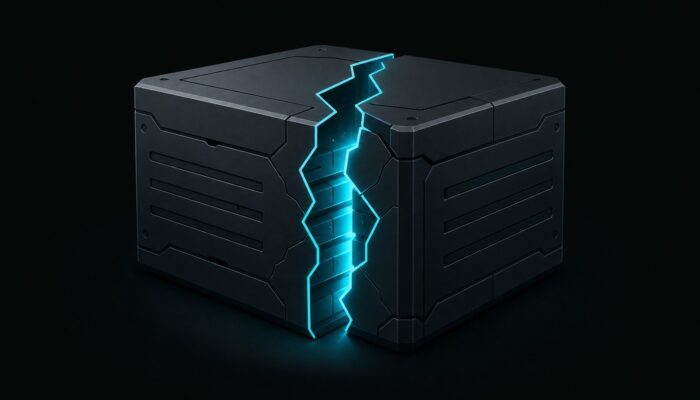
CVE-2026-50661 bypasses BitLocker when physically accessing a device. CVSS 6.1, publicly known before the patch. Remote drama is not it. Stolen notebooks and shared desks are.
KEY TAKEAWAYS
- Physically, not remotely. Exploitation requires device access. It changes the priority, does not delete it.
- Patch still mandatory. Juli-2026 updates close the security-feature bypass. Afterwards Protectors check.
- Risk lies in theft. Lost laptops, workshop devices and hotdesk PCs are the real scenarios.
- Set boundaries for patch day. This month’s SharePoint and AD-FS zero-days are more relevant remotely. BitLocker remains endpoint hygiene.
Related:The weakest supplier opens the critical site / A signed driver makes endpoint protection blind
What exactly is CVE-2026-50661
What is the BitLocker bypass CVE-2026-50661? It is a security-feature bypass in Windows BitLocker. An attacker with physical access can bypass device encryption and access protected data on the system partition. Microsoft rates the vulnerability as Important with CVSS 6.1.
The vulnerability was publicly known before the patch. Microsoft assesses the exploitation likelihood as Exploitation Less Likely. A public exploit path reduces the security of stolen hard drives and data on them, which could be readable as long as the patch is missing.
CVSS v3 for CVE-2026-50661 (Important)
Source: MSRC / Tenable Patch-Tuesday
Tenable categorizes the fix under the July-2026 Patchday, the largest Microsoft release to date with 569 CVEs. The BitLocker entry sits alongside two exploited zero-days (AD FS and SharePoint). Consequently, SOC priority is differentiated: remote-exploited issues take precedence, while physical bypass fixes are rolled out in parallel with endpoint updates.
Why physical security remains critical
Many SMEs argue that encrypted laptops are the ultimate security. BitLocker is exactly this assumption. If the protection fails during device access, theft, service workshops, unsecured hot desks, and unattended meeting rooms are at risk. Remote Code Execution (RCE) is not required.
Policy separates the hardness. Pure device encryption without a pre‑boot PIN relies more on TPM and hardware state. Full BitLocker policy with a PIN or startup key raises the barrier for offline attacks. The patch does not replace a policy discussion. It fixes a specific bypass.
What admins must check after the July patch
First: Update compliance for Windows clients and servers with BitLocker roles. Second: after the patch check Protector health in Endpoint reports. Third: Recovery keys must remain in the secured directory, not in the same compromised user share. Fourth: Lost-Device Playbook with Remote Wipe, certificate revocation and Key Rotation where applicable.
Device-Encryption-Check
- ✓Deploy July-2026 updates on Windows 10, 11 and Server
- ✓Verify BitLocker status and protectors after patch (TPM, PIN, Startup-Key)
- ✓Prioritize stolen and reported lost devices: test wipe and recovery processes
- ✓Separate Device Encryption from full BitLocker with pre‑boot PIN in policy targets
- ✓Secure shared workstations and laptop pools against physical access
Assessment without FUD
CVE-2026-50661 is not an internet worm. Anyone selling it as a “BitLocker dead” story is exaggerating. Anyone ignoring it because CVSS is only 6.1 underestimates stolen hardware. The sobering reality: patching, verifying Protectors, and reclaiming physical device control into endpoint strategy.
In the July wave, BitLocker is deliberately positioned behind remotely exploited vulnerabilities. That is correct. Endpoint hygiene runs in parallel, not as drama. Anyone already running mobile device management and lost device processes integrates the fix into the same cycle. Anyone focusing only on server patch days forgets laptops in field service.
Success can be measured by three metrics: patch coverage of BitLocker clients, the proportion of devices with valid Protectors after the update, and time to wipe upon theft report. This is security craftsmanship, not board theater.
Frequently Asked Questions
Every question is locked. A tap unlocks the answer.
Can CVE-2026-50661 be exploited remotely?
Following Microsoft advisories and Patch Tuesday analyses, exploitation requires physical access to the target device. A purely network-based attack path is not described.
Which systems are affected?
Windows BitLocker on Microsoft-listed client and server builds. The exact scope is provided by the Microsoft Security Response Center (MSRC) entry CVE-2026-50661.
Is the patch sufficient on its own?
It closes the bypass. Additionally, Protector Policy (PIN/TPM), Lost-Device Processes, and physical device security are counted.
How do you prioritize against SharePoint zero-days?
Exploited remote-ready gaps first. BitLocker in parallel in the endpoint wave, especially for mobile devices and pools.
What do we say to the management?
Encryption remains mandatory. This fix ensures that stolen devices cannot be silently read. It’s endpoint hygiene, not SOC theater.
Editor’s Picks
Editor’s PickWeakest Supplier Opens Critical FacilityEditor’s PickA Signed Driver Makes Endpoint Protection Blind


More from the MBF Media Network
cloudmagazinWhen GPUs Devour the SaaS BudgetMyBusinessFutureWhen a German AI Model Truly Pays Off