All About Security: Everyday Safety
Safety – a buzzword that appears in nearly every one of our articles. Yet while the security focus has generally centered on cybersecurity, data protection, and digital business protection, the current situation makes it clear we need to take a step back: real-life safety – and the health of our families and fellow citizens in daily life – must once again move to the forefront.
Scenes on public transport or queuing at the supermarket checkout still feel surreal at times. Navigating labyrinthine corridors and executing clever evasive maneuvers have become essential to maintain safe physical distancing.
It’s not just in public spaces – the office environment has changed significantly for many companies, too. Safety measures must be implemented and regularly verified. Maintaining distance is just as crucial as everyday hygiene. Keeping your distance – while still being there for each other. A contradiction? No: an absolute necessity. The coronavirus pandemic has profoundly sharpened our awareness of both safety and solidarity.
Although the sharply declining infection rates in Germany may foster a growing sense of security, rising case numbers in neighboring countries – and especially in popular holiday destinations – make it clear that a second wave remains entirely possible.
Naturally, it’s understandable that many people are exhausted by the sheer number of precautionary and safety measures – and some even feel restricted by them, reacting with irritation.
Yet now – more than ever – we must not ease up on preventive measures or lapse into false confidence, as long as research has yet to deliver either a vaccine or effective therapeutic treatments to bring this pandemic definitively to an end.
Protecting Yourself Means Protecting Everyone
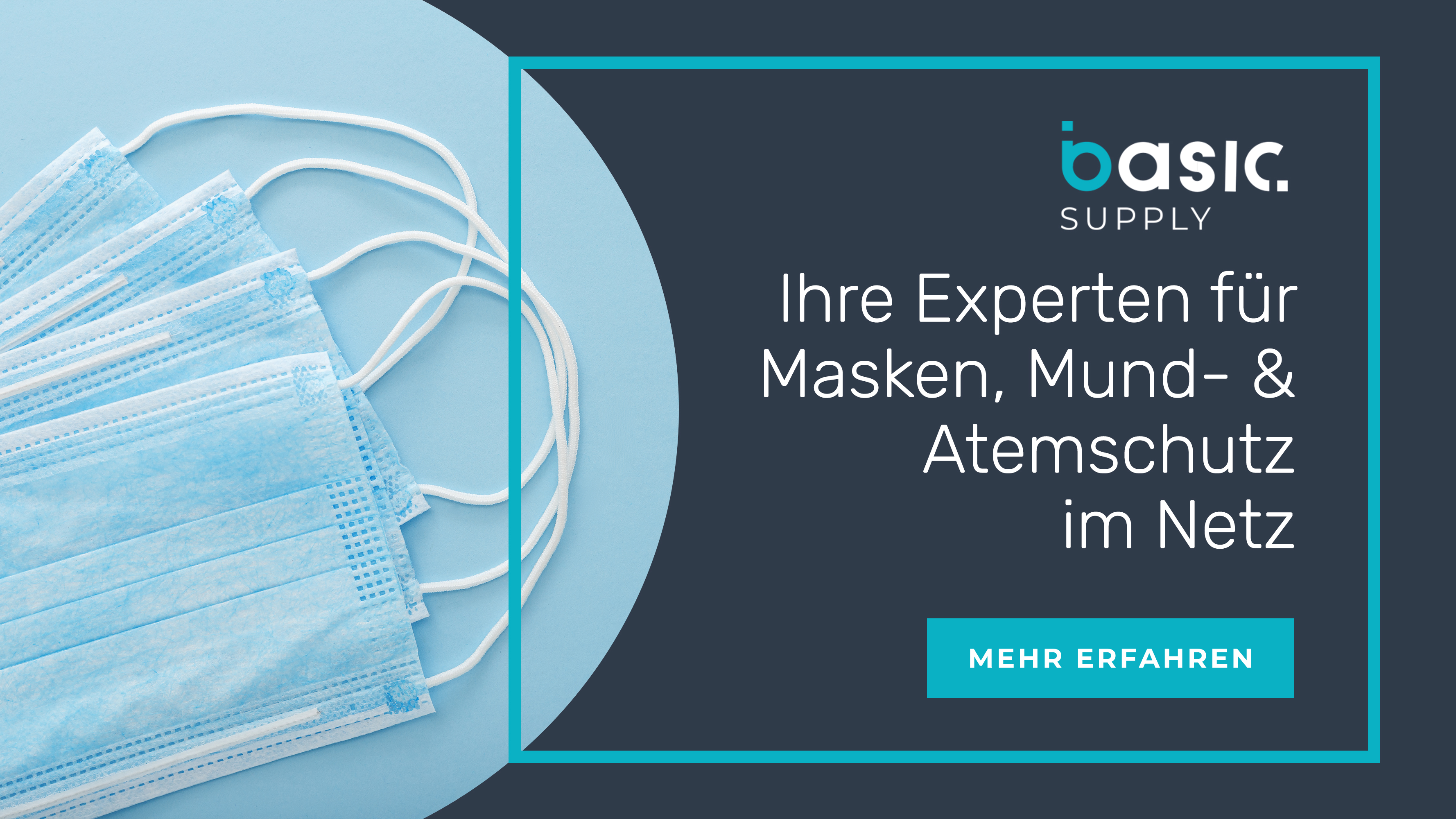
At minimum, two items should never be missing from any handbag or pocket: protective masks and disinfectant.
Mandatory mask-wearing aims to minimize infection risk and curb virus transmission. It’s been clear for some time that standard everyday masks do not primarily protect us – but rather the people around us. When everyone observes this principle, however, it ultimately benefits our own safety in return.

Quelle Bild: iStock / Noraluca013
But “mask” is not synonymous with “mask,” nor is “disinfection” synonymous with “disinfection.” Still, these fundamental criteria must always be met for coronavirus-effective hygiene:
• Masks: Masks must protect against particles and droplet transmission. Consequently, disposable masks must be immediately replaced or discarded once dampened, and reusable masks must be washed at 60-90°C to reliably inactivate viruses.
• Disinfection: SARS-CoV-2 viruses can only be effectively eliminated using disinfectants with limited virucidal activity.
Everyday Safety Starts Online
The products listed above remain in extremely high demand. That makes it all the more important to have reliable shops offering them at fair prices – without compromising on quality. Basic Supply has earned its reputation as an expert in everyday and hygiene supplies, guided precisely by this principle. Here, you’ll find all essentials for daily basic care – centralized on a single platform. Basic Supply’s specialists select every product with meticulous attention and a trained eye for quality, so you can navigate everyday life with confidence and peace of mind.
Find More Information & Products Here
Key Facts
GDPR Fines: European data protection authorities have imposed over €4.5 billion in penalties to date.
Data Breaches: 83 percent of companies experience more than one data protection incident per year.
Frequently Asked Questions
What are the most common cyber threats facing businesses?
According to the BSI (Federal Office for Information Security) Situation Report, ransomware, phishing, DDoS attacks, and supply-chain compromises rank among the most frequent threats. For German companies, regulatory risks – including GDPR and NIS2 – add further complexity.
How much should a company invest in cybersecurity?
Industry experts recommend allocating 10-15 percent of the IT budget to cybersecurity. According to Bitkom, German companies average 14 percent. What matters most isn’t just the amount – but how strategically those funds are distributed across prevention, detection, and response.
Does every company need a CISO?
Not every company requires a full-time Chief Information Security Officer – but every organization needs clearly defined IT security accountability at executive level. SMEs can engage an external CISO (Virtual CISO). With NIS2, management-level responsibility for cybersecurity becomes legally mandated.
Related Articles
- Essential Guidelines for Video Conferencing Systems & Data Protection
- 86% of Germans Fear Their Data Will Be Misused in Coronavirus Contact Tracing
- IT Weak Spot: Critical Vulnerabilities in SAP and Microsoft DNS
More from the MBF Media Network
Header Image Source: iStock / mikimad
Fact: According to Mandiant, the average dwell time of an attacker inside a network is 10 days.
Fact: According to the German Federal Criminal Police Office (BKA), cybercrime inflicted over €206 billion in damage on German businesses in 2024.
TL;DR
- Image source: iStock / Noraluca013 “Mask” is not synonymous with “mask,” nor is “disinfection” synonymous with “disinfection.”
- Disposable masks must be replaced or discarded immediately when dampened; reusable masks must be washed at 60-90°C to reliably inactivate viruses.
- • Disinfection: SARS-CoV-2 viruses can only be effectively eliminated using disinfectants with limited virucidal activity.
- While the security focus has generally centered on cybersecurity, data protection, and digital business protection, the current situation makes it clear that, when it comes to safety, we must take another step back…